
 jobs abroad
 Remote jobs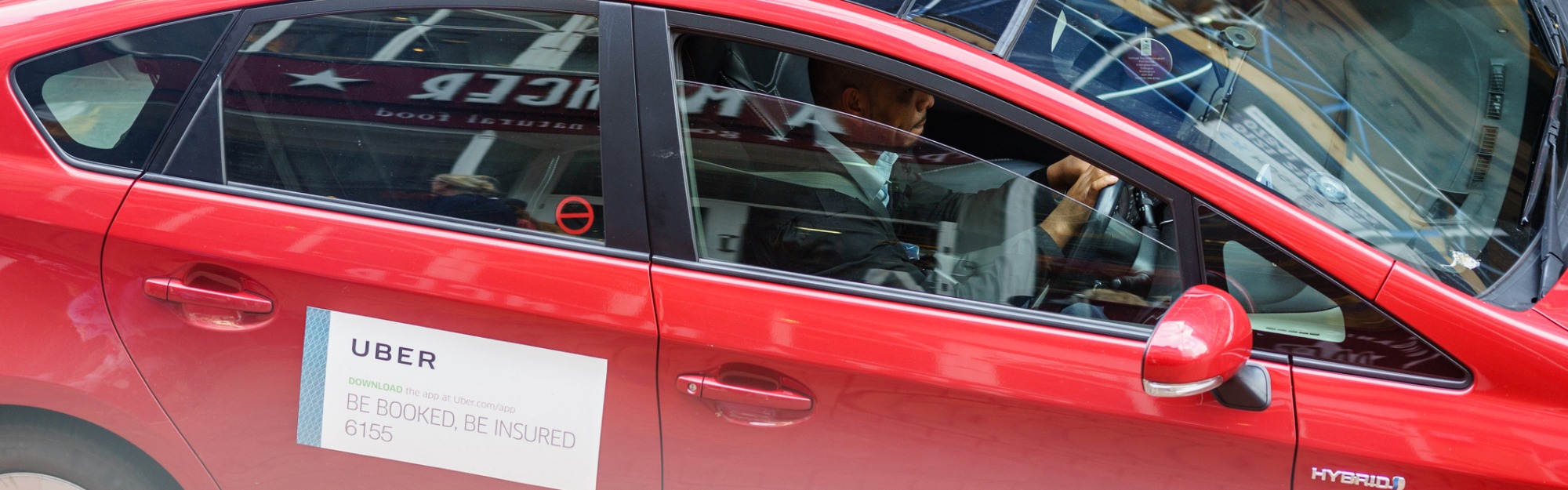
When an algorithm decides your pay: Uber drivers take their fight to court
For years, app-based work has been sold with a simple promise: log in when you want, choose the jobs you want, earn on your own terms. The new legal action against Uber asks a much sharper question: how free is flexible work if an algorithm quietly decides what your time is worth?
Uber drivers from the UK, the Netherlands and other European countries have launched a major collective claim over the company’s pay-setting and work allocation systems. The case, filed in Amsterdam, concerns around 241,000 drivers across the EU and the UK. The drivers allege that Uber’s automated systems use profiling and personal data to set pay and allocate rides in ways that are unfair, opaque and damaging to earnings.
Uber rejects the allegations. The company says it does not adjust trip pay based on an individual driver’s behaviour, and argues that drivers can see what they will earn and where a trip is going before deciding whether to accept it. That defence matters. This is not a court ruling yet. It is a legal fight about how much power platforms should have when technology becomes the manager, payroll department and performance monitor in one small black rectangle.
The rise of the algorithmic boss
In a traditional job, a manager may set shifts, approve tasks, review performance and decide pay structures. In platform work, many of those decisions are handled by software. The driver sees the app. Behind it sits a system that may calculate prices, assign jobs, predict supply and demand, measure behaviour and decide what appears on the screen.
This is sometimes called algorithmic management. It can make services faster and more efficient, but it can also create a serious imbalance. The platform knows a huge amount about the worker. The worker often knows very little about the platform’s decision-making.
That is the heart of the Uber case. The claim is not only about whether drivers earn enough. It is about whether people can understand how their pay is calculated, whether they are being profiled, and whether an automated system can make decisions that affect their livelihood without proper transparency.
Why drivers are worried about dynamic pay
Dynamic pricing is familiar to customers. A ride costs more when demand is high, traffic is heavy or drivers are scarce. But dynamic pay for drivers is more complicated. The passenger’s fare and the driver’s pay are not always linked in a simple, visible way.
The legal claim alleges that Uber’s system may learn from driver behaviour, including what jobs someone accepts or rejects, to work out how little they may accept for a particular ride. That is the allegation, and it is explosive because it turns flexibility into something more slippery. If a driver accepts cheaper jobs during a quiet week, could the system decide they are willing to keep accepting less?
Uber says no. It says pay is calculated using real-time trip information such as journey, duration and destination, not personal acceptance history. But the fact that drivers are taking the issue to court shows how deep the trust problem has become.
UK context: worker status is not the end of the story
Uber drivers in Britain already sit in a particular legal category. After a landmark Supreme Court case, Uber drivers were recognised as “workers”, not employees. That means they are entitled to protections such as the National Living Wage and holiday pay, but they do not have the full rights of employees.
Uber says UK drivers will always earn at least the National Living Wage for their working time. However, the company calculates that guarantee based on “engaged time”, meaning the time from accepting a trip to completing it. Time spent waiting for a trip to appear is not included.
For drivers, that distinction is crucial. A shift is not only the minutes spent with a passenger in the car. It can include waiting, repositioning, fuel, cleaning, vehicle costs, phone bills, insurance and the mental fog of staring at the app like it is a moody weather forecast. If the app is quiet, the driver may still be available, but not necessarily earning.
This is bigger than Uber
The Uber case matters because it reflects a wider shift in work. Drivers, couriers, warehouse workers, delivery riders, freelancers and even office employees are increasingly managed by systems that rank, score, allocate and monitor.
For businesses, these tools can improve planning. For workers, they can feel like a black box with a payslip attached. The danger is not technology itself. The danger is using technology to make important decisions while hiding the logic from the people affected by them.
That is why algorithmic pay is becoming a labour issue, not just a tech issue. If software decides who gets work, how much they are offered and whether their income rises or falls, workers need more than a cheerful slogan about flexibility. They need clarity.
What should platform workers check?
Anyone considering app-based driving, delivery or similar platform work should treat the pay model as seriously as the headline rate. A good-looking number on a sign-up page can shrink quickly once waiting time and costs enter the room.
- How is pay calculated? Check whether earnings are based on time, distance, completed jobs, demand, bonuses or a changing algorithm.
- Is waiting time paid? This can make a major difference to real hourly earnings.
- What costs are yours? Fuel, insurance, vehicle maintenance, phone use, parking, congestion charges and platform fees can all reduce take-home pay.
- Can the platform change rates? Look for wording that allows the company to alter pricing, bonuses or incentives with little notice.
- Can you challenge decisions? If your account is restricted, a payment looks wrong or jobs disappear, there should be a clear appeal route.
- Do you understand what data is being used? Platform work produces constant data: location, acceptance rates, journey history, working patterns and customer ratings.
Questions to ask before relying on platform income
Platform work can be useful. It can offer flexibility, quick entry and control over when someone logs in. But it is risky when it becomes a main income without predictable rules.
Before relying on it, drivers should ask themselves:
- What do I earn after costs, not before?
- How many unpaid hours do I spend waiting?
- Would I still make enough in a quiet week?
- Can I understand why one job pays more than another?
- Do I have another income stream if the app changes its rules?
Flexibility should not mean fog
The court will decide whether the claims against Uber are proven. But the public debate is already important. It shows that platform workers are no longer only asking for access to jobs. They are asking to understand the systems that shape their income.
That is a reasonable demand. Flexibility should not require blind trust in a calculation nobody can explain. Technology can organise work, but when it starts deciding pay, access and opportunity, it needs accountability too.
The future of platform work may not be about choosing between apps and traditional employment. It may be about something more basic: making sure that when an app becomes the boss, workers still know the rules of the job.