
 jobs abroad
 Remote jobs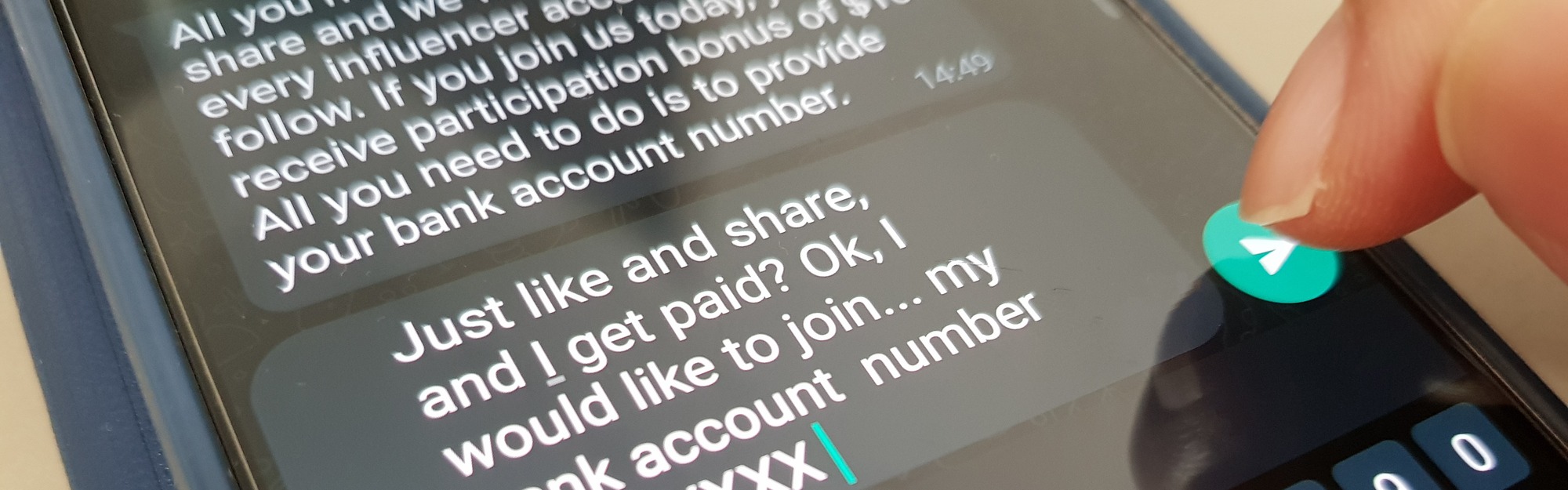
Fake recruiters are getting smarter. The red flags every candidate should know
A job offer used to look suspicious when it arrived with broken English, a strange email address and a salary that sounded as if it had been invented by a bored lottery machine. Now, the scams are cleaner. The messages are polished, the company names look familiar, and the recruiter may even have a convincing profile photo, a smart signature and a role that sounds just plausible enough.
That is what makes modern recruitment scams so dangerous. Fraudsters no longer need to write badly. AI tools can help them create professional-looking job adverts, fake websites, interview scripts and messages that copy the tone of real recruiters. For people applying under pressure, especially graduates, overseas workers or anyone out of work, the trap can be difficult to spot.
The scam often starts politely
Many fake approaches begin with a harmless-looking message: a remote role, quick start, flexible hours, good pay, no complicated process. The first contact may come through email, WhatsApp, Telegram, text message or a social platform. Sometimes the fraudster pretends to represent a known agency or employer. Sometimes they copy a real recruiter’s name and details.
The problem is not that a recruiter contacts you first. That can happen. The problem starts when the process becomes oddly fast, oddly vague or oddly expensive.
Warning signs worth taking seriously
Before sharing documents, bank details or personal information, candidates should slow the process down and check the basics. A genuine employer will not collapse if you ask sensible questions.
- You are asked to pay a fee for training, registration, equipment, background checks or a “guaranteed” interview.
- The pay looks too high for the role, especially if the duties are unclear or very simple.
- The recruiter avoids company email and only uses messaging apps or personal accounts.
- You are pressured to act immediately, send documents quickly or accept before receiving proper details.
- The advert is vague about location, hours, employer name, contract type or responsibilities.
- You are asked to install an unknown app or click a link that does not match the official company website.
None of these signs proves a scam alone. Together, they should make alarm bells do a small tap dance.
Why AI makes this harder
AI has removed some of the old clues. A fake recruiter can now write fluent messages, adapt the same advert for different sectors and respond quickly to questions. Scammers can also build pages that look like recruitment portals, copy logos and create fake application forms that quietly collect sensitive data.
That does not mean every digital hiring process is unsafe. It means people need to verify before trusting. Check the company’s official careers page. Search the recruiter’s name independently. Look at the email domain. Be cautious if the process jumps from “hello” to “send your passport” in two messages.
Employers have a role too
Recruitment fraud is not only a problem for applicants. It also damages real companies. If a brand is copied by scammers, candidates may lose trust in genuine vacancies. Employers should make their hiring process easy to verify: use official email addresses, keep careers pages updated, explain interview stages clearly and respond quickly when impersonation is reported.
A simple line in a job advert can help: the company will never ask candidates to pay fees or share bank details before a formal offer. It sounds basic, but basic information is often what stops a scam from getting its claws in.
A good offer should survive a few questions
The safest rule is this: if an opportunity is real, it will still make sense after you check it. A proper employer can explain the role, contract, pay, location and process. A real recruiter should not panic because you want to verify their identity.
People exploring new roles should trust curiosity more than urgency. Before applying, compare details, check the employer and be cautious with anything that asks for money or documents too soon.
Current roles can be browsed through Jober.uk job offers, where candidates should still read each advert carefully and make sure the conditions are clear before moving forward.